


Three things are worth checking when reviewing provision, rather than assuming the original purchase still fits.
- Environmental rating. An IP66 rating means protection against dust and strong water jets - the standard worth looking for if the device is stored anywhere near live groundworks, exposed cabins, or weather. A lower rating may be fine in a warehouse office and inadequate everywhere else on the same site.
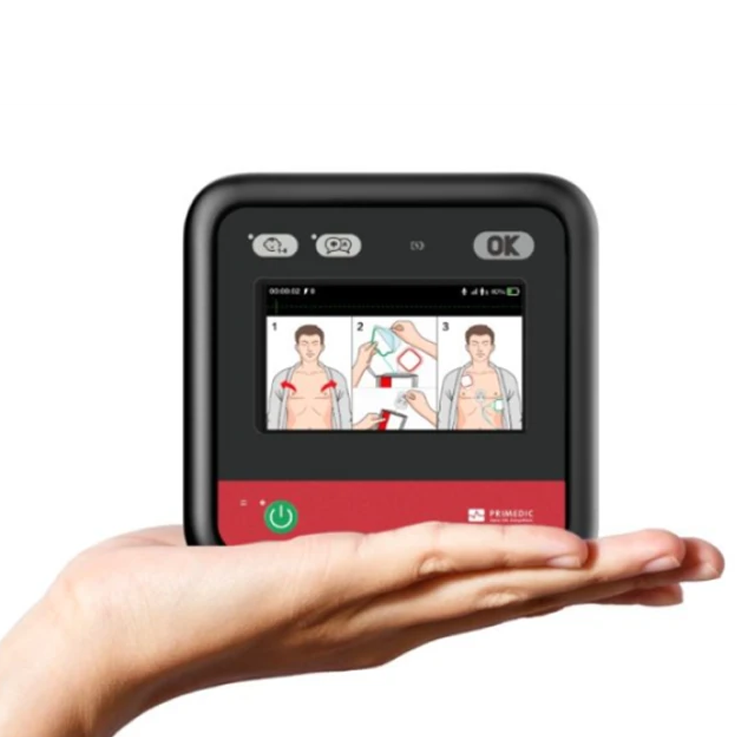
- How much guidance the device gives an untrained responder. Semi-automatic defibrillators analyse the heart rhythm and prompt the responder to deliver the shock themselves, guided by voice and visual instructions at each step. That structure - device decides, person acts - tends to suit sites with high staff turnover or a mix of permanent and subcontracted workers, because it does not depend on anyone having been trained recently, or at all.
- What maintenance actually looks like over time. Battery and electrode life varies significantly between models - some need replacing annually, others are rated for five years. That difference affects more than cost. It affects how likely the device is to still be in working order when it is needed, because every replacement cycle is another point where something can be missed.
None of this is really about picking a single best device. It is about matching the specification to the site, in the same way PPE gets specified to the task rather than bought generically. A device rated IP66, guiding an untrained responder step by step, with a predictable multi-year maintenance cycle - the Primedic HeartSave myPAD Core is one example built to that brief, and it sits alongside other options in our range depending on what a site actually needs.
If defibrillator provision has not been reviewed in a while, it is worth treating it the same way as any other piece of site equipment - checked against current conditions, not assumed to still be fit for purpose. We are happy to talk through what that review should look like.